
Animal Assisted Therapy for Children in the San Fernando Valley
Through guided interactions with a trained therapy dog
Animal-assisted therapy provides opportunities to practice emotional regulation, body awareness, empathy, and social understanding in a way that feels engaging, supportive, and meaningful.
When your child is struggling with big feelings, it seems impossible to help them ground themselves back to earth

Some days, it feels like you're walking on eggshells, wondering what might trigger the next meltdown. You find yourself replaying conversations, questioning whether you handled the situation the "right" way, and searching for answers that never seem to fully fit your child. You want to help, but after countless reminders, calming attempts, and difficult moments, it can feel discouraging when the same struggles keep showing up. Beneath the exhaustion is a parent who simply wants their child to feel understood, confident, and happy.
As time goes on, today's challenges can begin to turn into tomorrow's worries. You may wonder if your child will be able to make friends, succeed in school, manage their emotions, or become independent as they grow. It is natural to worry about what the future holds when you are watching your child struggle in the present. The truth is, your child is not giving you a hard time; they are having a hard time. Many children experience emotions so intensely that they struggle to recognize what is happening inside their bodies before those feelings take over. With the right support, children can learn to understand their emotions, develop healthy coping skills, and build the confidence to navigate life's challenges.

Emotional Regulation Is a Skill That Can Be Learned
Many children believe they are "bad" when they struggle with emotions.
They're not.
Like reading, writing, or riding a bike, emotional regulation is a skill that develops through practice.
Through guided interactions, children can learn to better understand themselves, manage their emotions, and strengthen their relationships with others.

Sometimes the best teacher doesn't use words
Children often learn emotional regulation most effectively through experience rather than explanation.
MEET MARU 🐾
My partner in the therapy room
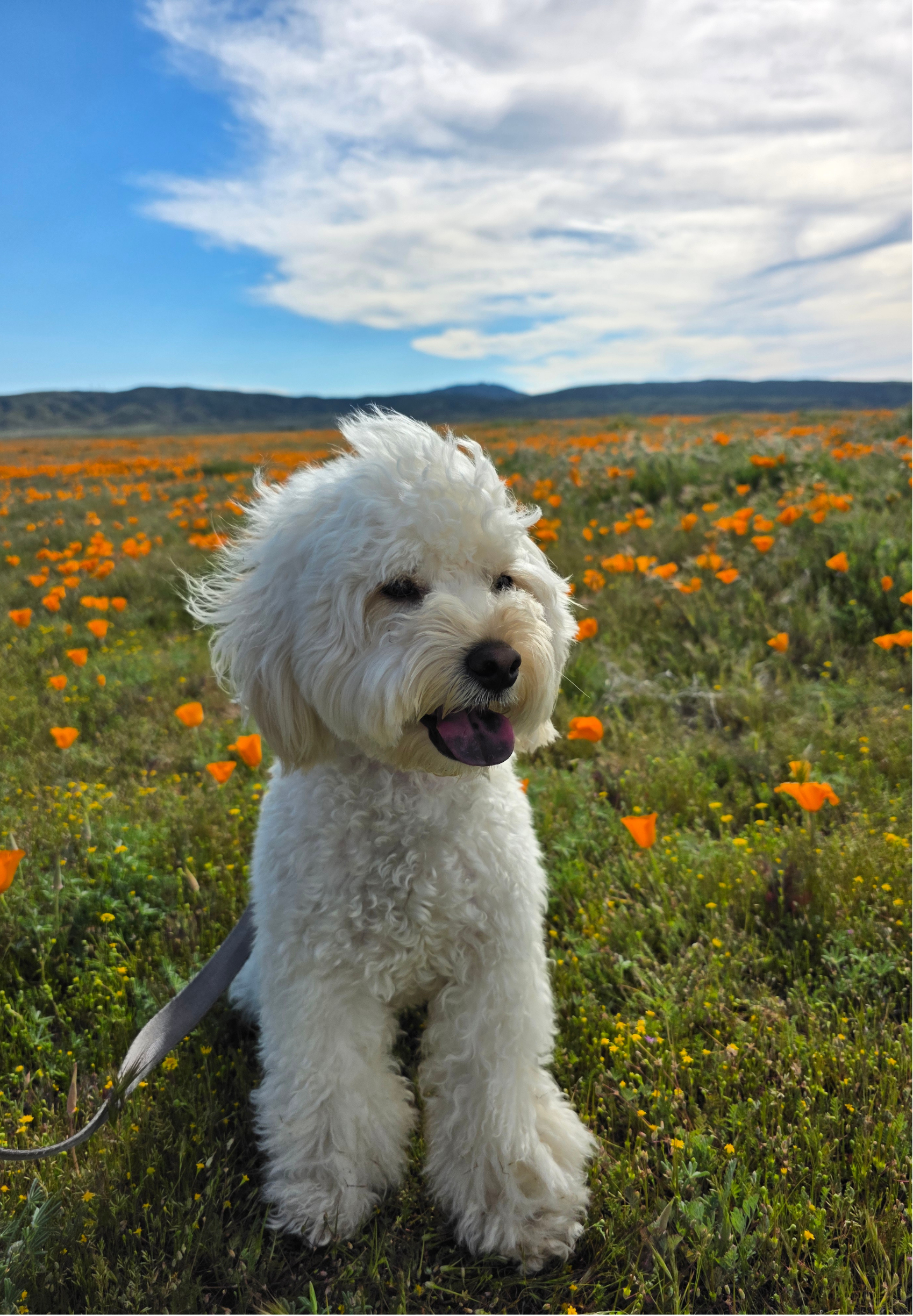

Maru serves as a therapeutic partner who provides immediate, honest, and nonjudgmental feedback. Maru is a trained service dog who is currently continuing his training to support therapeutic work with children and families.
What makes Maru's role unique is that he naturally responds to emotional energy and social interactions. Rather than being used solely for comfort, Maru helps create opportunities for children to practice important emotional and relational skills.
His responses can provide immediate feedback that encourages children to slow down, notice what is happening within themselves, and explore how emotions influence connection with others.


When someone becomes emotionally overwhelmed, excited, frustrated, or dysregulated, Maru may choose to create space. This means in the room with your child, if they are relaxed and talking in a balanced tone of voice, Maru will decide to approach them. However, if they become activated or show big emotions, Maru would choose to move away from your child and go across the room, helping them understand that in order to be close to Maru (and most people and beings), a calm state is required to promote connection.
This creates valuable opportunities for learning.
With support and guidance, children begin to notice:
What emotions feel like in their bodies
How emotions affect behavior
How their actions impact relationships
What helps them return to a calm state
How emotional regulation strengthens connection
Rather than simply talking about emotions, children have the opportunity to practice these skills in real time… and get some snuggles with a cute dog. Many children find that working alongside Maru makes learning these skills feel more approachable, engaging, and even fun.
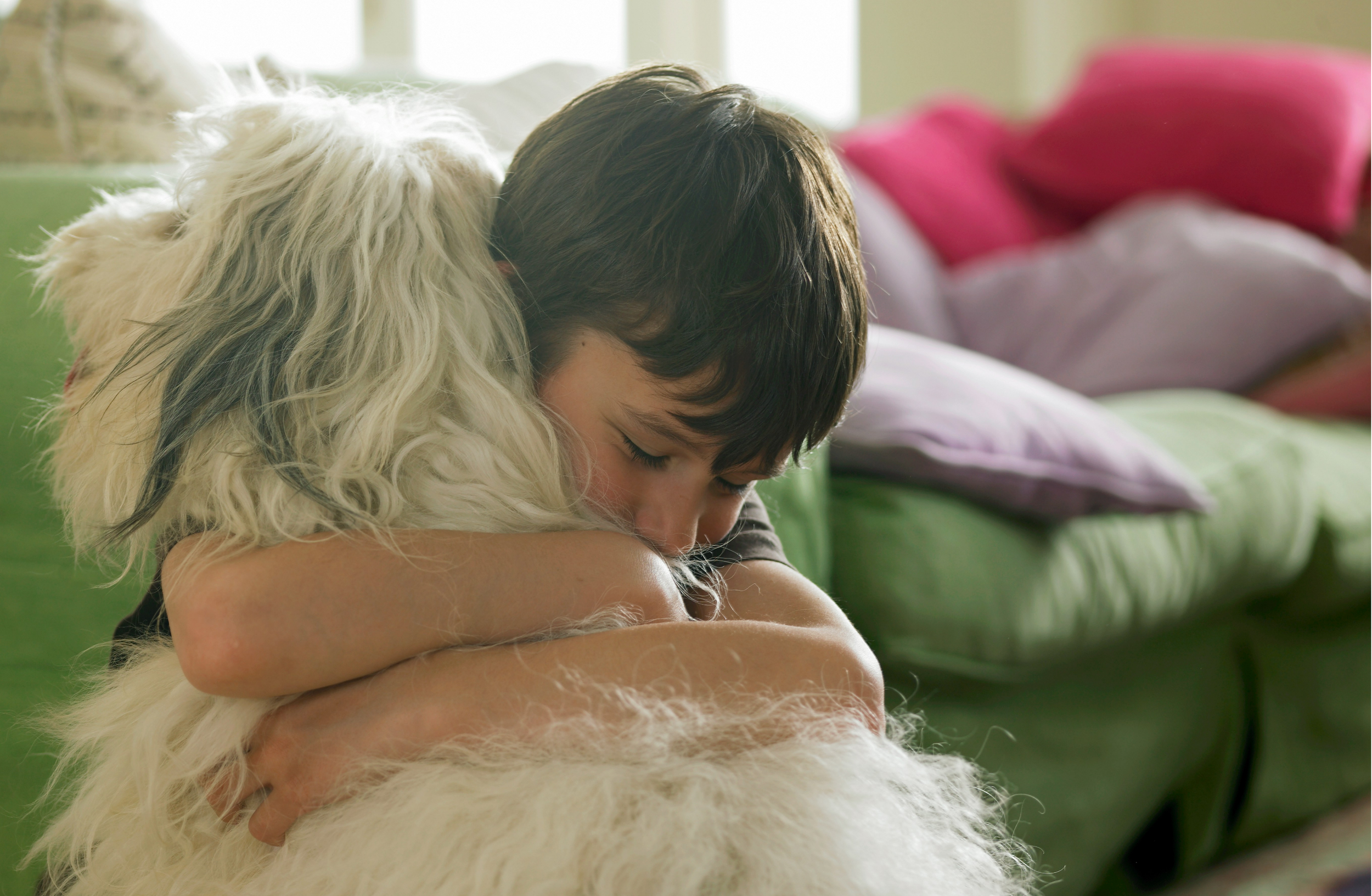

Learning through connection
My approach combines animal-assisted activities, emotional regulation training, collaboration with you, neurodiversity-affirming practices, and evidence-based therapeutic strategies.
As a Licensed Marriage and Family Therapist, I help children understand the connection between emotions, behaviors, relationships, and self-awareness. Maru's involvement provides a unique experiential component that allows children to practice these concepts in real time.
Together, we focus on helping children:
Notice what is happening inside their minds and bodies
Develop emotional awareness
Practice regulation strategies
Build empathy and perspective-taking
Strengthen confidence and connection
Because meaningful growth often happens not when children are told what to do, but when they have the opportunity to experience, practice, and discover these skills for themselves.

Animal-assisted emotional regulation can help children:
Know when they are approaching a state of overwhelm and learn how to come back to center within themselves
Expand their ability to deal with frustration or things not going their way all the time
Develop the means to understand different perspectives beyond their own
Improve their ability to watch out for cues in social situations that promote connection or providing others with space
Feel confident that whatever situation they are in, they have the tools to thrive



Your child’s brighter future can start with a “paw” shake
Sometimes the best teacher has four paws. Through meaningful moments with Maru, children discover confidence, connection, and calm.
Questions?
FAQs
-
Maru is a trained service dog who is continuing specialized training to support therapeutic work with children and families. In addition to his service dog training, Maru has earned the AKC Canine Good Citizen (CGC), AKC Community Canine (CGCA), and AKC Urban Canine Good Citizen (CGCU) titles, demonstrating advanced obedience, good manners, and the ability to remain calm and responsive in both community and urban environments. He has also earned an AKC Trick Dog title, reflecting his ability to engage with children through structured, interactive activities that support therapeutic goals. Maru’s ongoing training and carefully guided role in sessions help create meaningful opportunities for children to build emotional regulation, body awareness, empathy, and social-emotional skills.
-
Not necessarily. Maru's involvement is based on treatment goals, client needs, and clinical appropriateness.
-
Maru provides natural, nonjudgmental feedback through his responses to social and emotional interactions. These moments create opportunities for children to practice self-awareness, emotional regulation, empathy, and relationship skills.
-
Yes, when it is clinically appropriate. Maru's involvement is always based on your child's individual needs, comfort level, and treatment goals. Through carefully guided interactions, Maru can help children practice emotional regulation, body awareness, empathy, perspective-taking, frustration tolerance, and social-emotional skills in a way that feels engaging and meaningful.
Your child's safety and Maru's well-being are always my top priorities. Children are never expected or required to interact with Maru, and every interaction is closely supervised and incorporated only when it supports therapeutic goals. Maru has been extensively trained to remain calm, responsive, and predictable, and he is also trained to communicate when he needs space. This provides valuable opportunities for children to learn about respecting boundaries, recognizing body language, and understanding how their own emotions and behaviors can influence relationships in a safe and supportive environment.
-
Maru can help in many areas. Please see below:
ADHD
Impulsivity
Emotional dysregulation
Frustration tolerance
Social awareness
Autism
Perspective-taking
Emotional awareness
Social understanding
Relationship-building skills
Anxiety
Emotional awareness
Coping skills
Confidence-building
Stress management
Behavioral Challenges
Emotional control
Self-regulation
Communication skills
Problem-solving
Social Skills
Empathy
Relationship-building
Reading social cues